
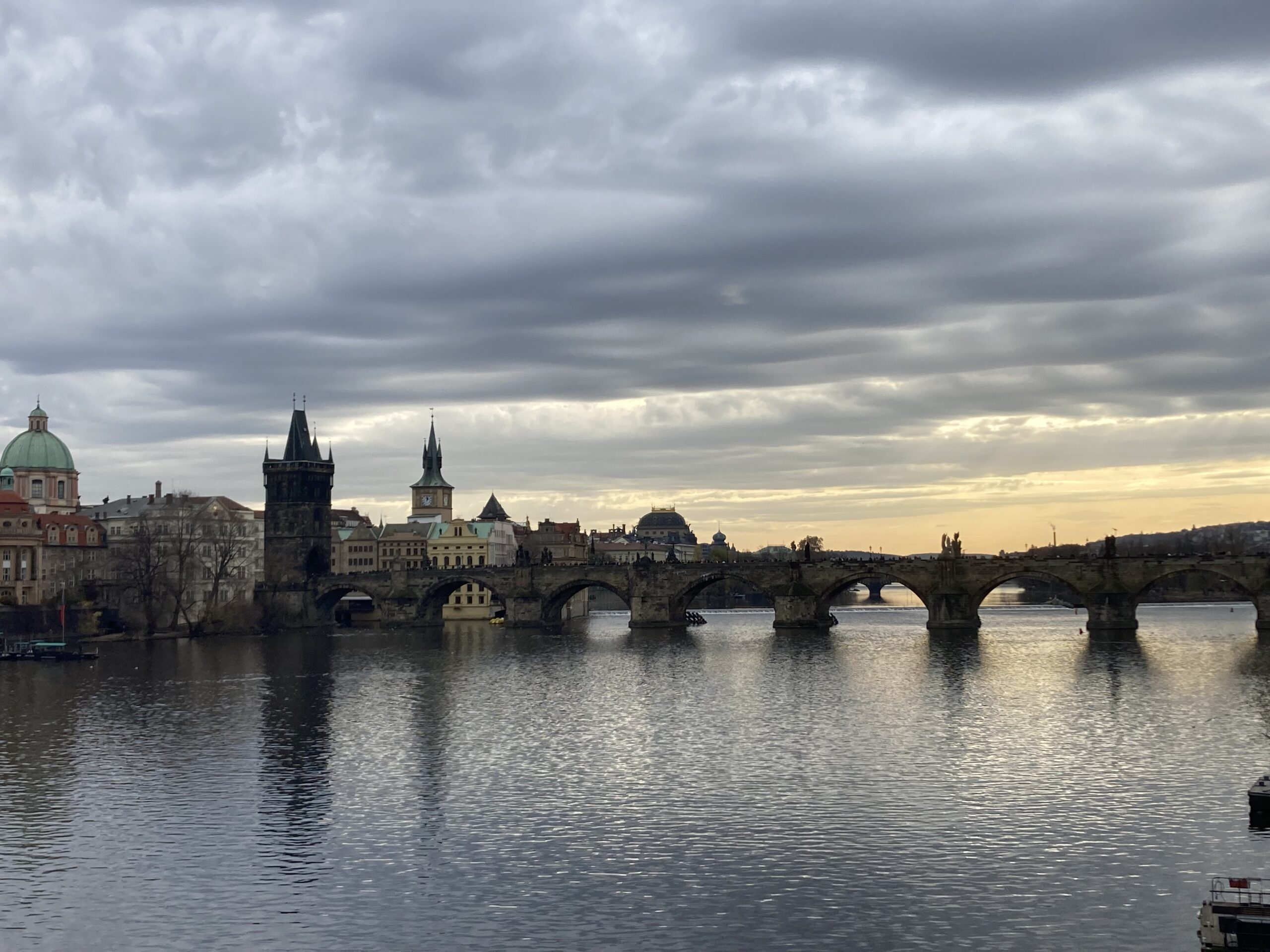
The year 2025 is already fifteen percent complete. Time is like those tiny towns that dot the American landscape: blink and you’ll miss it. After I had procrastinated on a Christmas update, I thought, “That’s fine; I’ll just do one after New Year’s Day.” Well, it certainly is after New Year’s Day.
About midway through last September, I traveled to France and spent about three months in Massy, a Paris suburb. Les Cedres is a Christian language school that offers affordable housing for missionaries. Tuition is expensive, so I arranged a self-study program instead of enrolling in official classes. I also squeezed in a few sessions of reviewing notes for Zarma (a local language from Niger). Like all good French towns, Massy has a large park. From the school, the Parc Georges Brassens requires a five-minute walk that also includes crossing over the footbridge of a large highway. Though I did witness certain scenes of questionable behavior by dubious individuals, the park was generally pleasant and peaceful. It provided ample space for long, meandering conversations with God. There were ponds, trails… and domesticated beehives (I’m fairly certain domesticated bees also sting; they’re not that domesticated). Though my French certainly is not Parisien, I did feel my French brain becoming a bit more Frenchy.
During my stay, I discovered a foreign concept known as “gentle rain.” The weather in Paris turns rather wet in September and October, and such was the case when I was there. In Oklahoma, rain usually tumbles in Noahic sheets of doom, and every grandma in the South knows that walking outside in even a drizzle will cause you to catch your death of pneumonia. As I write this, I had trouble trying to find a noun for a gentle rainstorm. The best I could find is drizzle; most common English words for rain imply a heavy rain. Niger is similar. The climate is usually melt-your-face-off hot, but rainy season brings powerful storms. The local church where I attend is affected by flooding every year, and the pastor has frequently used a canoe to traverse his neighborhood. However, rain in much of Europe falls more gently so that life hardly pauses when the weather turns inclement. Indeed, I’ve been told by Europeans that if people stopped for rain, nothing would ever get done. Thus, one gloomy grey day, I decided to give it a try. I laced up my shoes and sauntered to the park in the middle of a storm. To my shock, I didn’t die of pneumonia, nor did I get struck by Noah’s ark. There were even local students walking around in the middle of the grassy lawn, ignoring the falling water, and diligently writing on paperwork that I assume was a science assignment.
In addition to language study, I listened to several online teaching sessions from multiple pastors regarding the book of Psalms. Toward the end of my time in France, I spent about two weeks visiting Eastern Europe and Western Asia. Budapest and Prague are pleasant European cities. Azerbaijan is an interesting former Soviet Union country. There are quite a few people living in India; the Taj Mahal is as beautiful as the pictures.
My visit to Jordan included a visit to an historical site with biblical connections. Petra is an ancient archeological city in Jordan. Most of Petra was built by the Nabateans in the third century BC. Second Corinthians 11:32 references Aretas, who ruled from Petra and was powerful enough to broker a political agreement with Rome. Before the Nabateans, the territory was inhabited by the Edomites, who were descendants of Esau, who was the brother Jacob. I hiked past the other tourists, climbed up a rock face, and perched myself in a crevice. It did occur to me that I’m not a seasoned climber, but fortunately, nothing catastrophic happened. I had brought my Bible along for this very reason. I opened to a passage that refers to the Edomites, 1 Kings 11. In ancient times, a common social practice dictated that kings would marry royal women from neighboring kingdoms. The hope was that local nations would be less likely to engage in war with one another if the nations were at least loosely connected along family bonds. Depending on one’s opinion, the practice seems to have often had the opposite effect, causing complications and engendering conflict. God had told the Israelites not to intermarry due to the rampant idol worship in the nearby nations. King Solomon didn’t obey. He married hundreds of noble women, and (just as God had warned) idol worship and sin found its way into Isreal through these foreign alliances. They sacrificed to their gods in God’s territory, Solomon turned from God, and God became angry. Solomon’s unfaithfulness caused the kingdom to begin to split. After Solomon’s death, there would be Israel in the north and Judah in the south. God raised up the king of Edom to punish the Israelites for their idolatry. Edom had previously suffered defeat at the hands of Israel, but then Edom allied itself with Egypt, a regional superpower. And so, Edom was ready for revenge. At least two spiritual lessons can be found here: the most dangerous sins are those that can be justified, and past conflicts have a way of returning when sin is indulged. However, outside of the spiritual lessons, it was cool to sit there in my little cave and imagine ancient Edom marching out against God’s Israelites.
Since my return, I have been teaching at the Bible school. Also, a little more than a year ago, my local pastor expressed his concerns with me that our congregation lacked Biblical knowledge, and he asked me to teach an adult Sunday school class. Adult Sunday school is rather rare here. We have been slowly working our way through Mark. We are about ready for Jesus’ crucifixion, in time for Easter.
Niger has stopped giving residency permits to American citizens, and I don’t know when (or if) that will change. They are not kicking anyone out, but if someone leaves without documentation, they wouldn’t be able to get back in. There are also several other factors, including the health of family members. And so, if leave in a few weeks, which I plan to do, my absence from Niger would be indefinite. I am still uncertain about the details. Please pray as I navigate this time.
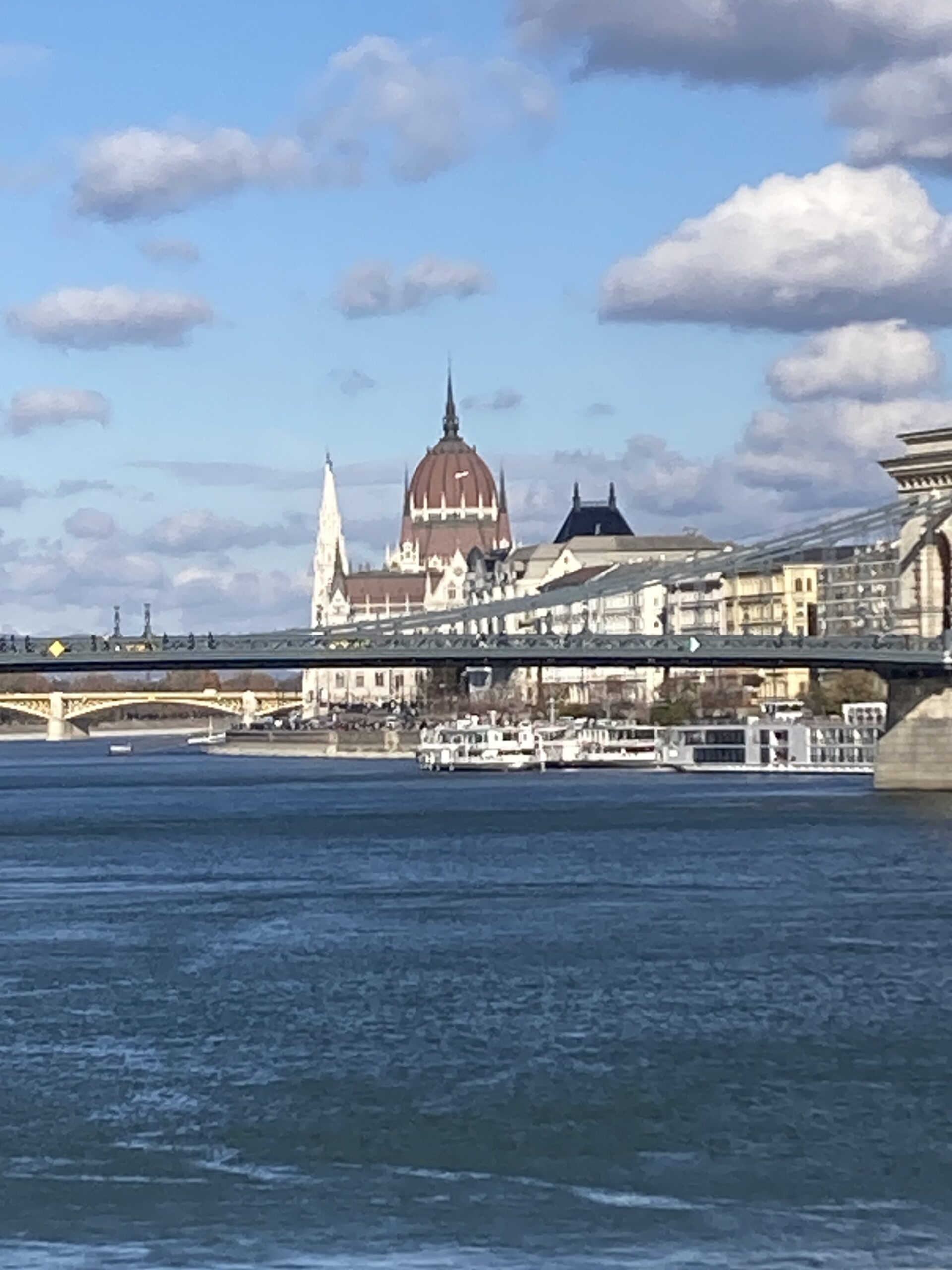
A bridge in Budapest
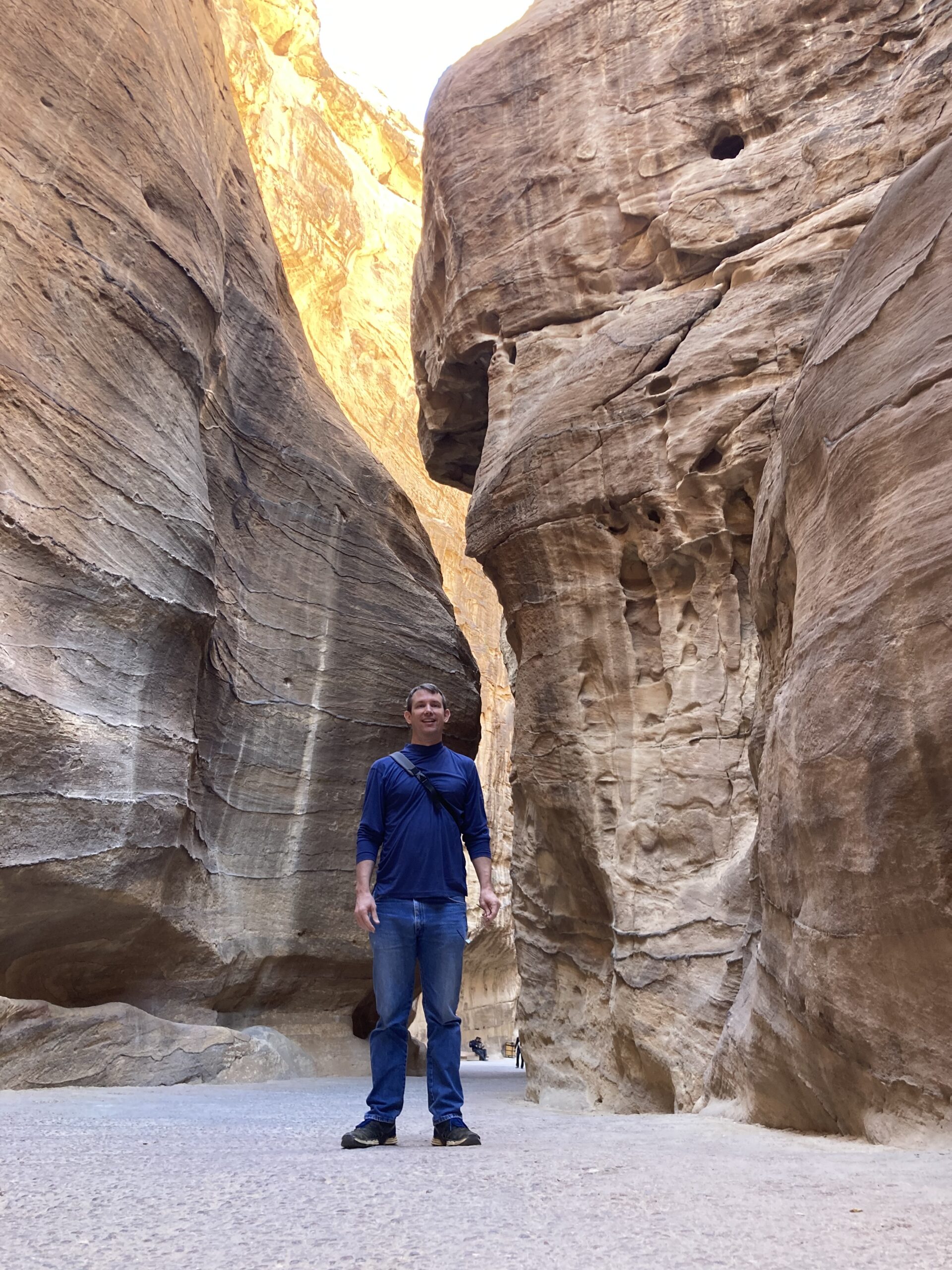
Petra archeological site, Jordan
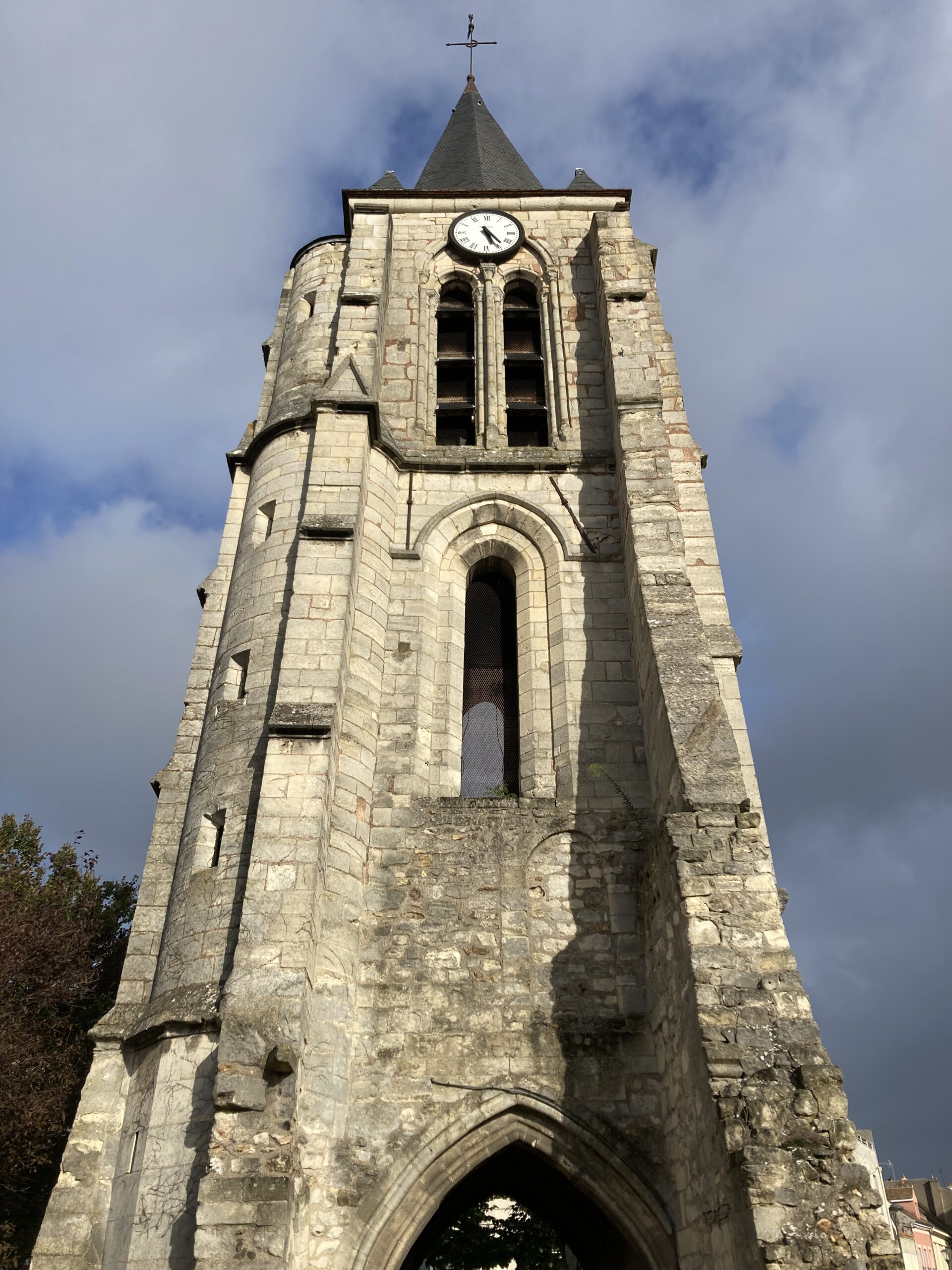
Belltower, 13th century church, bombed in World War 2, Massy
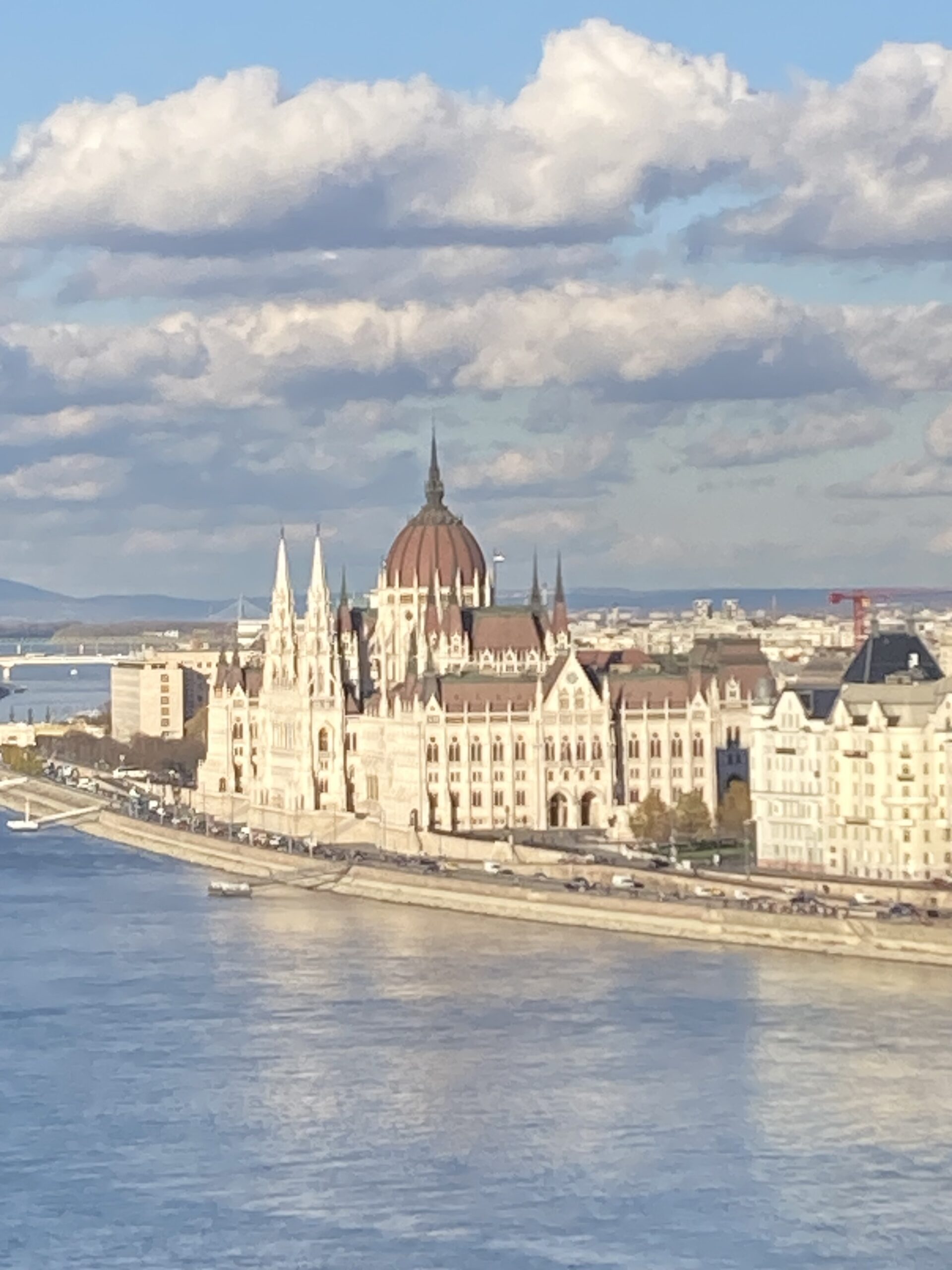
Budapest, Hungary
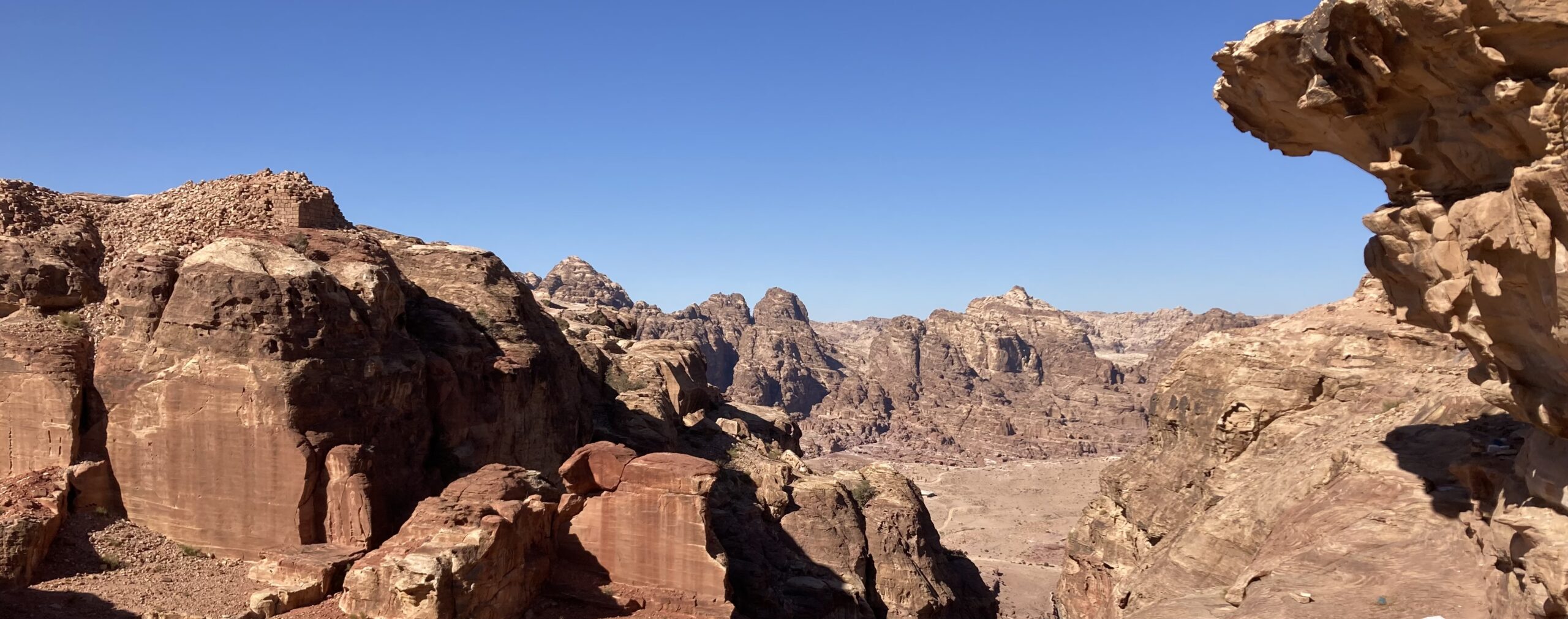
Petra, archeological site
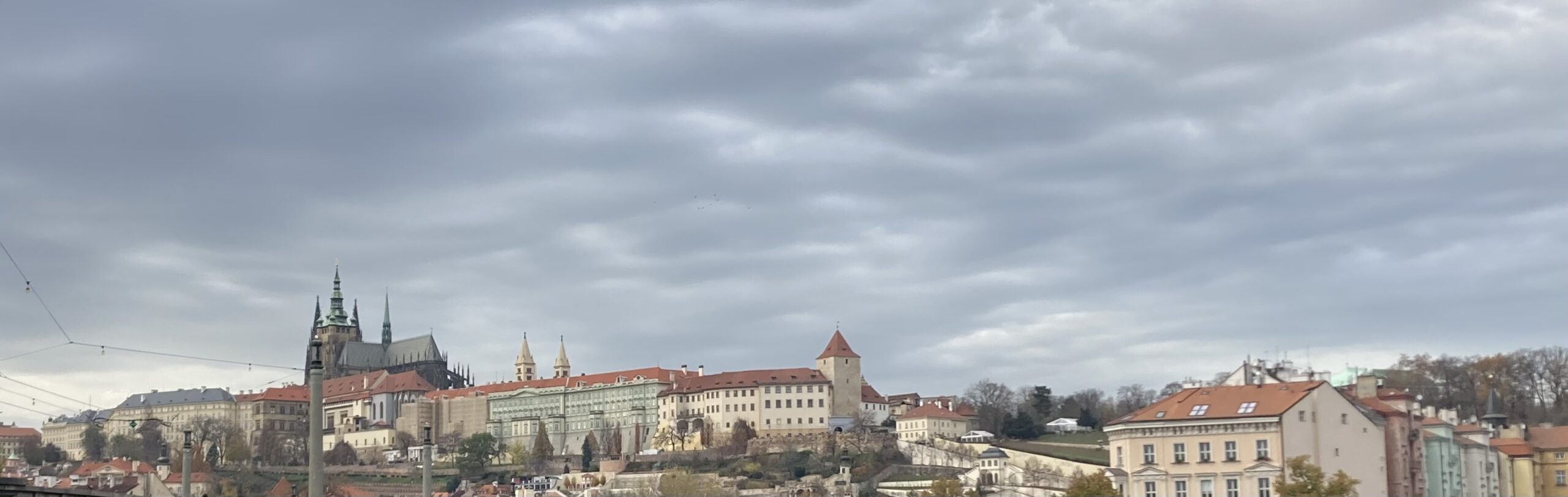
Prague, Czech Republic

Petra, Jordan
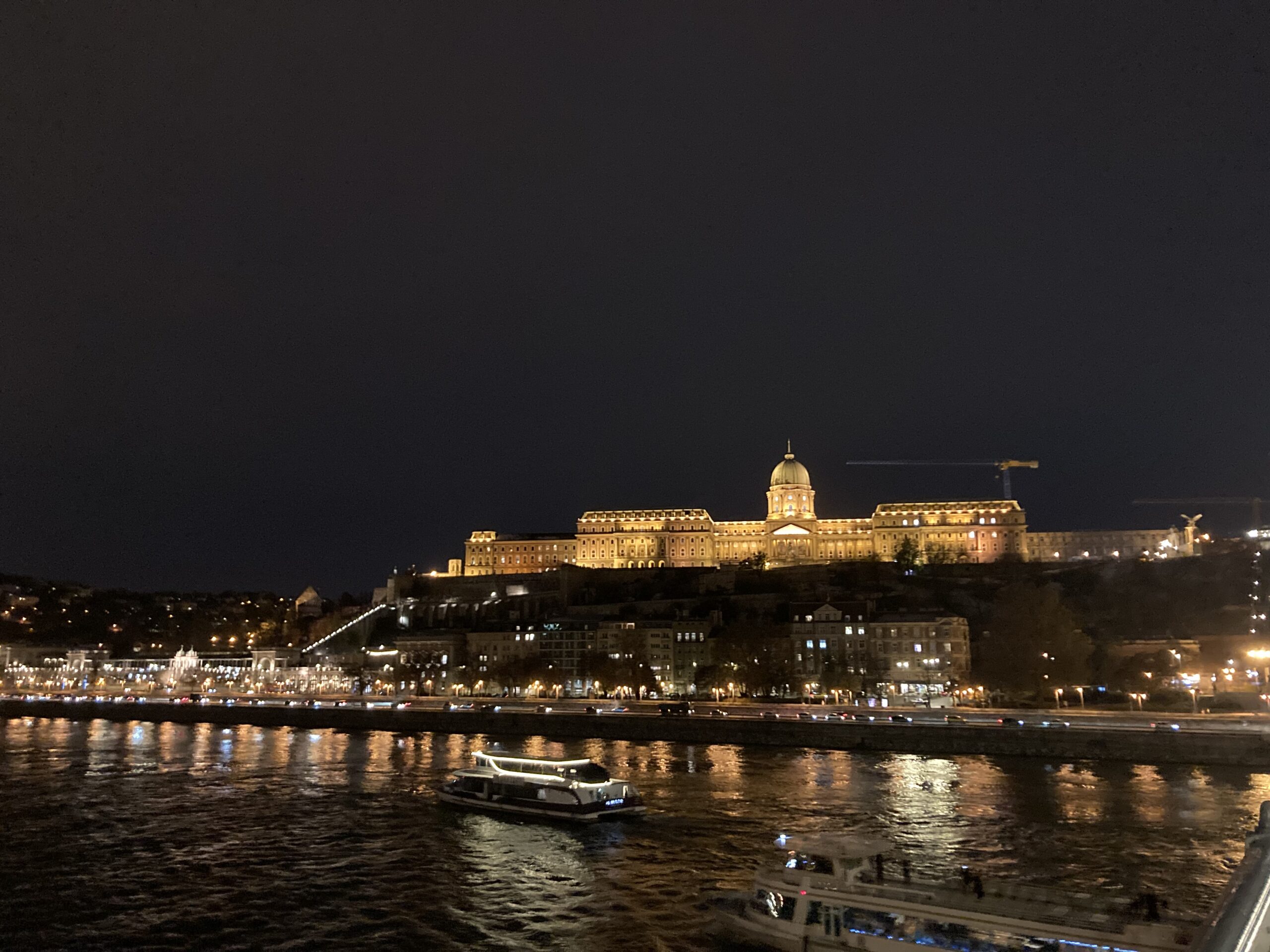
Budapest at night
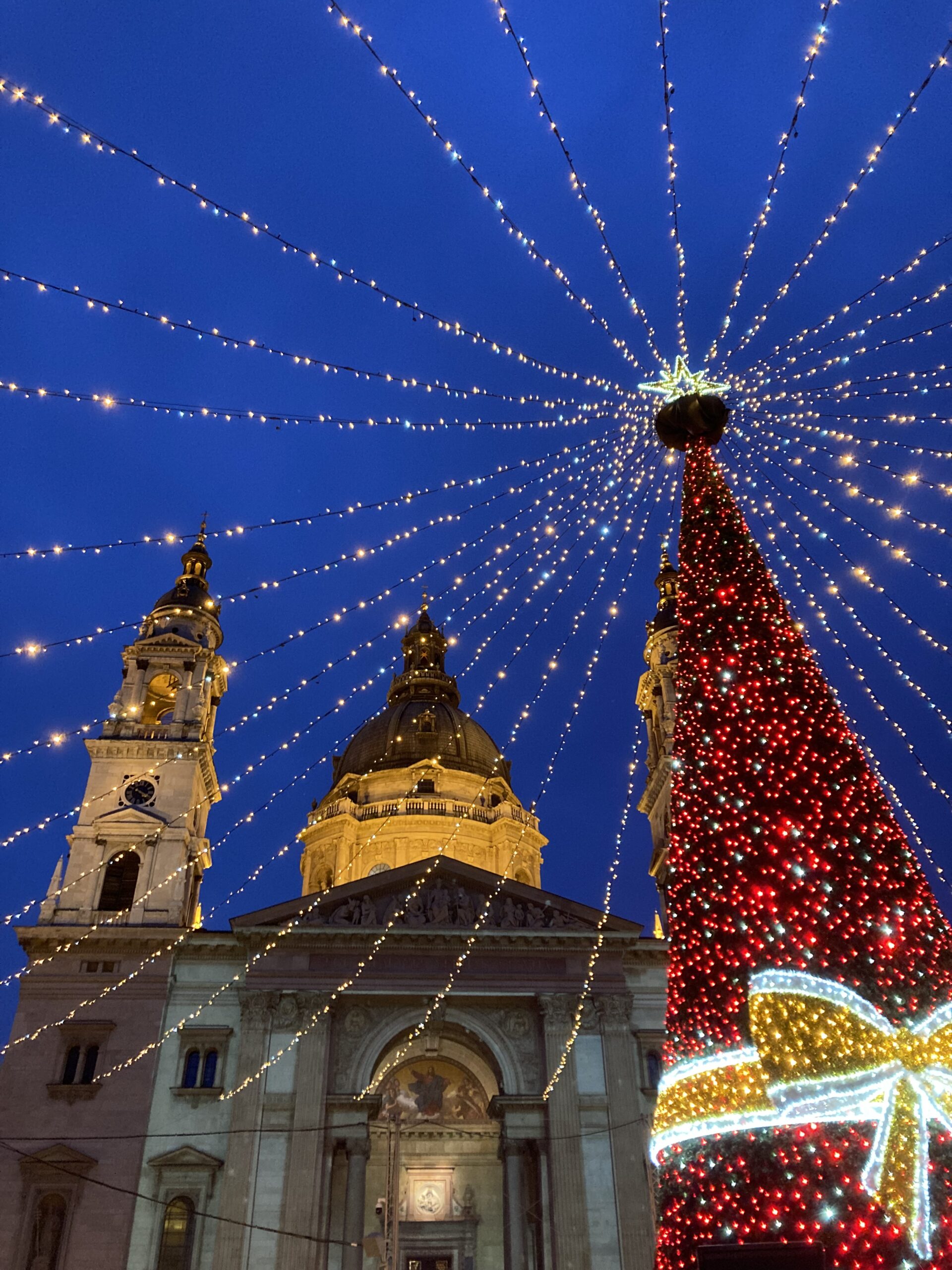
Christmas market, Budapest
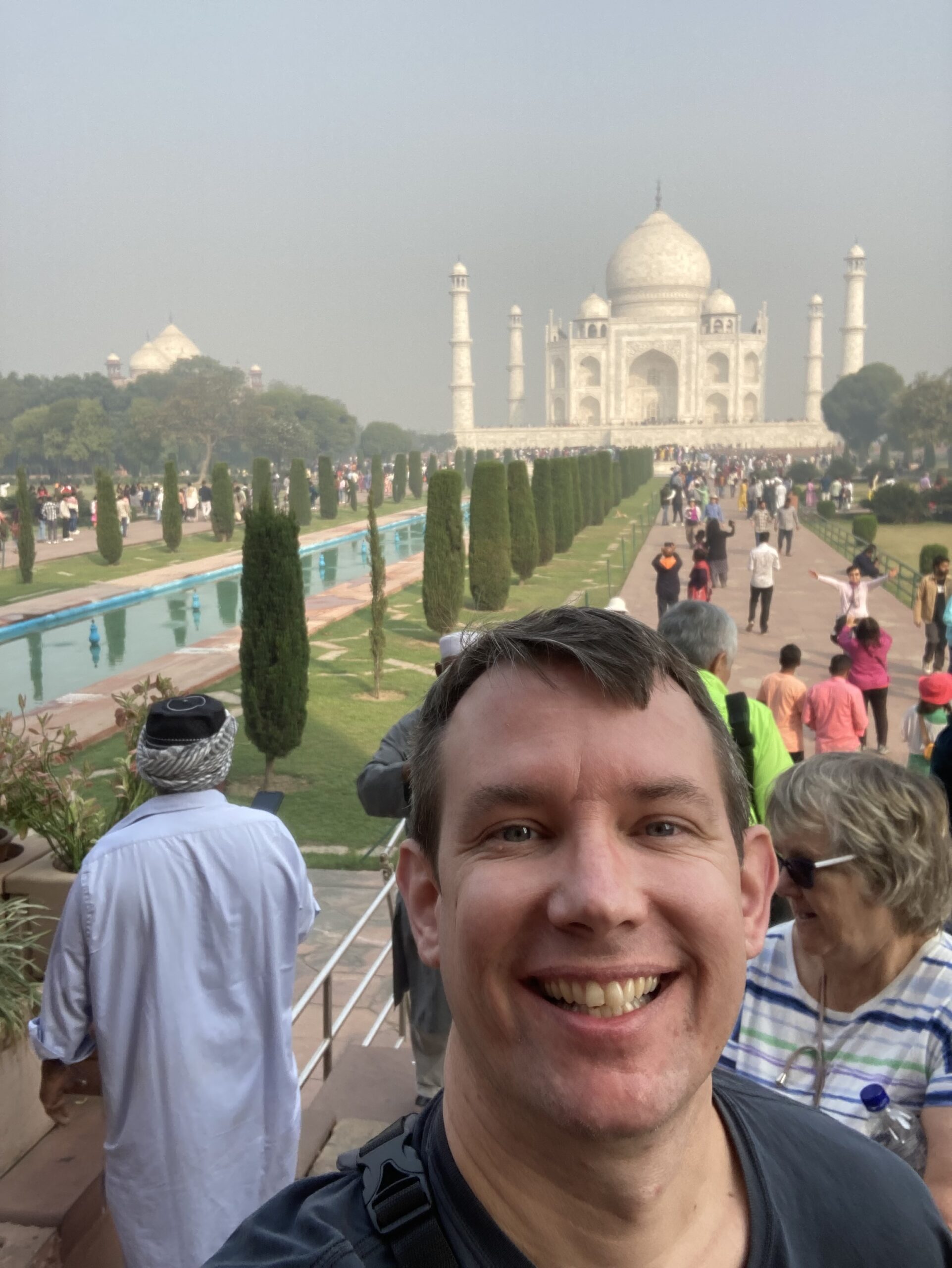
Taj Mahal, India
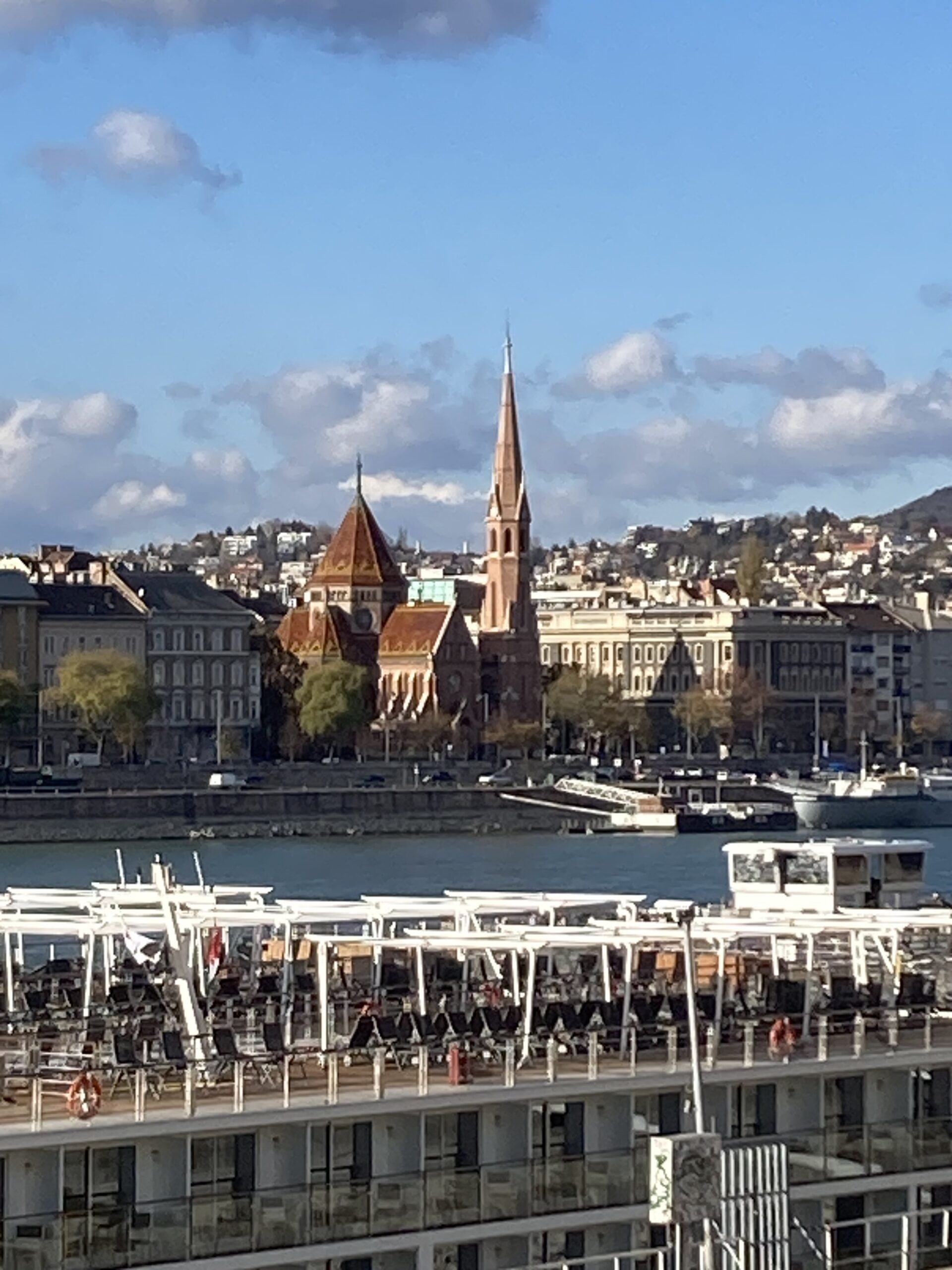
Church in Budapest
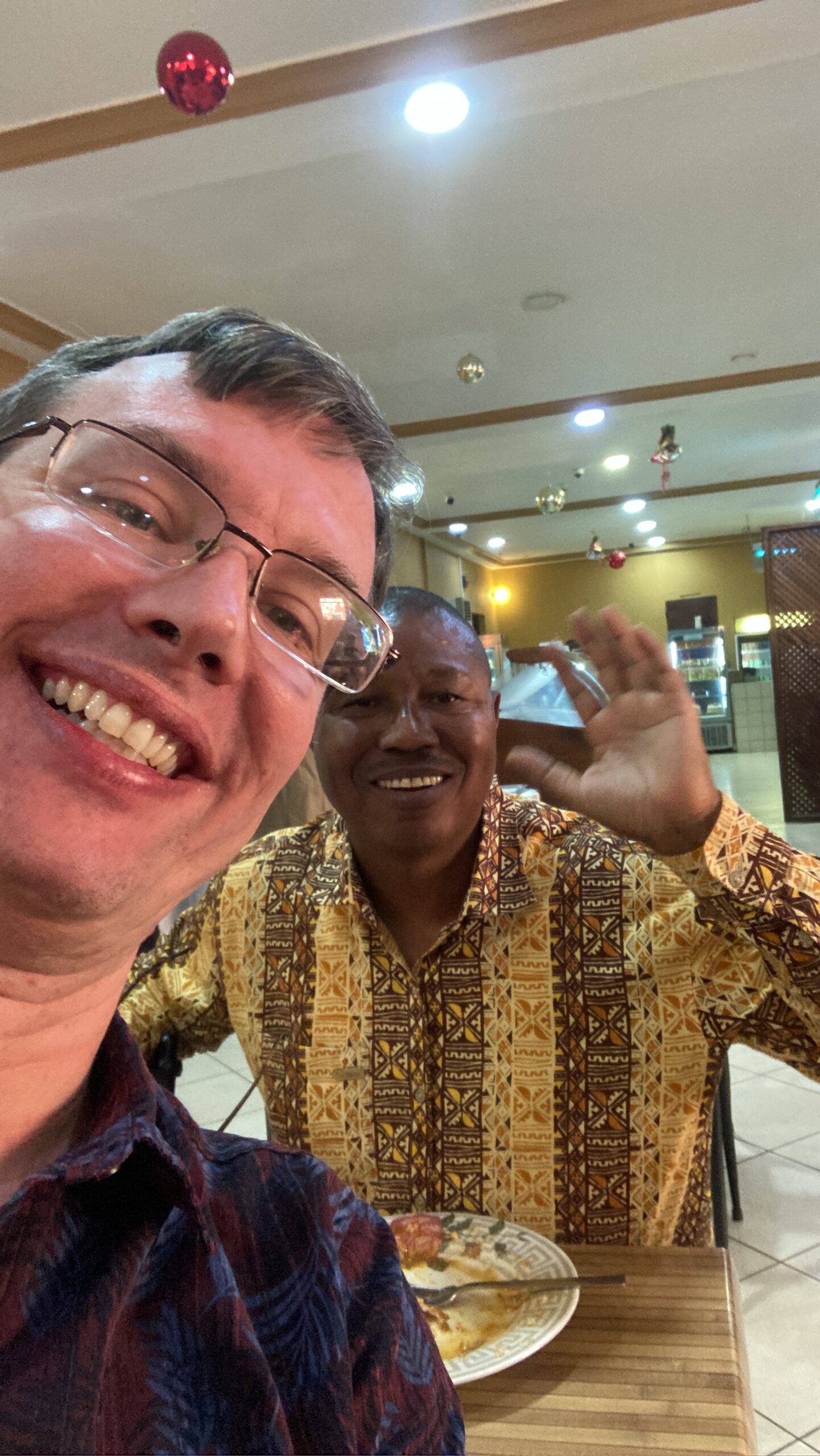
Lunch with Pastor Boureima
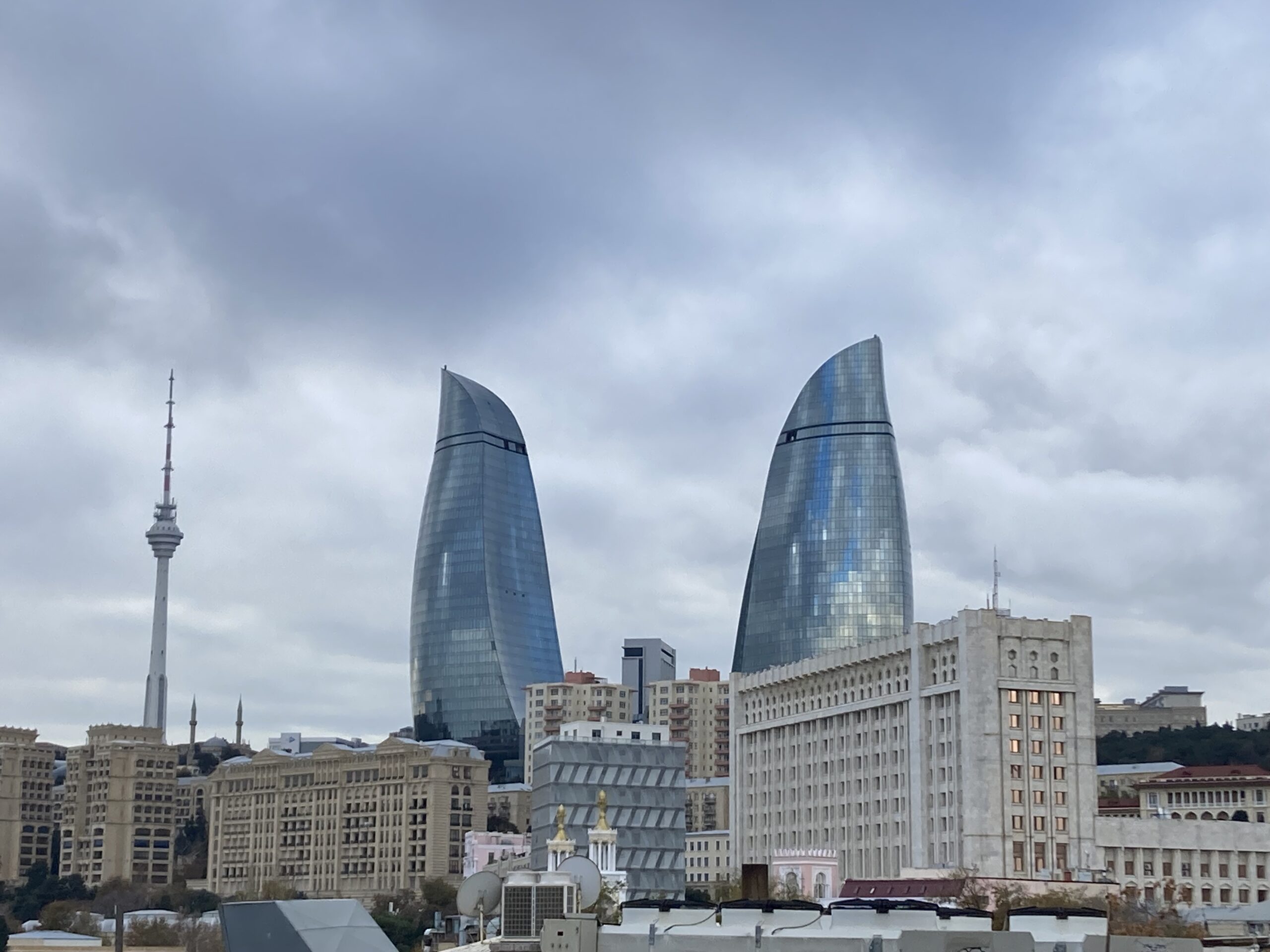
Flame Towers; Baku, Azerbaijan
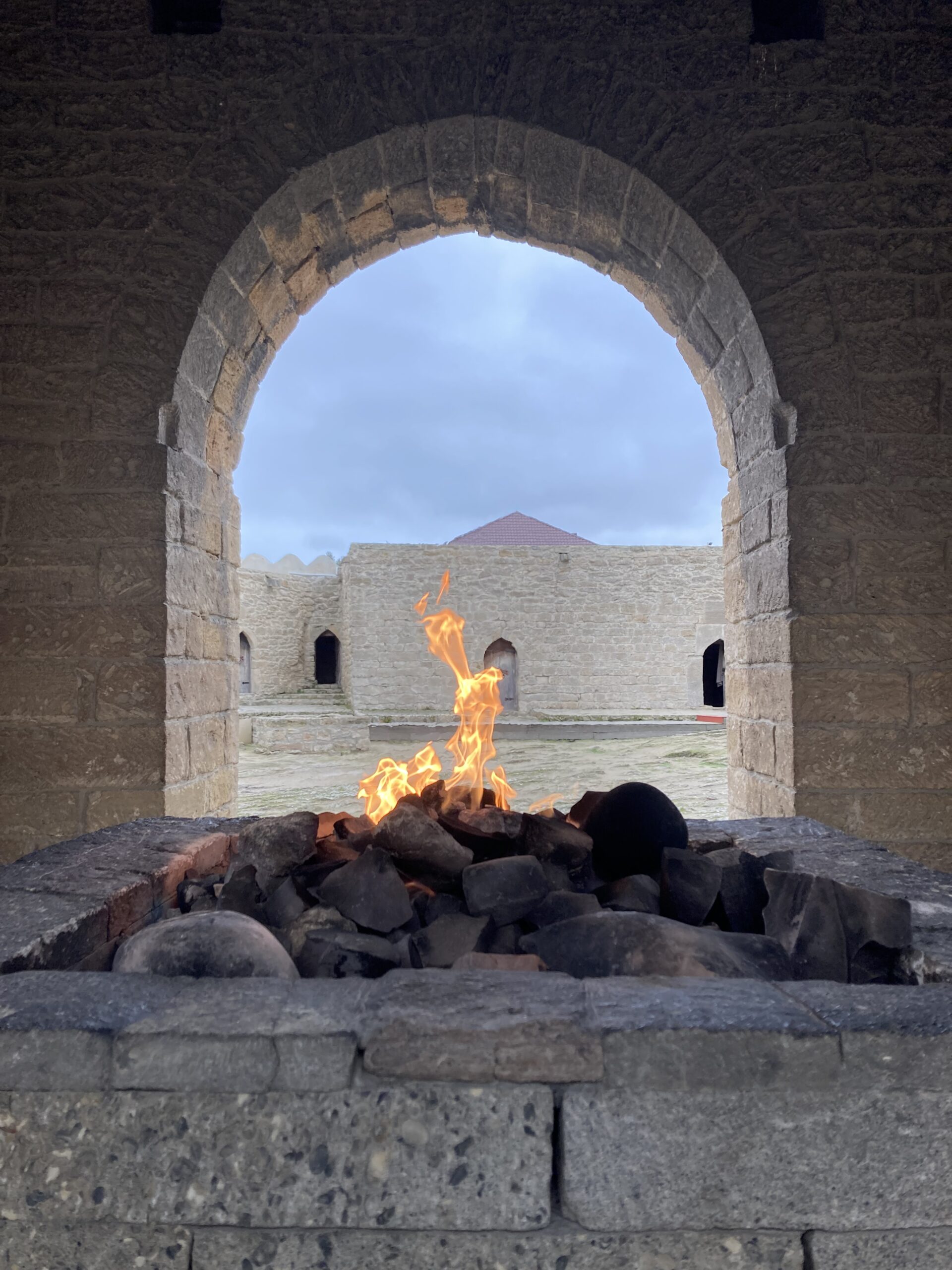
An eternal flame, Baku
– – – – – – – – – – – – – – – –
Here are links to a few videos.
[Depending on your computer settings, in order to view the video without leaving the post, you may need to hold the ‘ctrl’ button while clicking on the link.]
An organ playing at St Nicholas Church in Prague:
https://drive.google.com/file/d/1deHm21MZYLfc8E1R5uFRABZPq6X1V7hl/view?usp=sharing
Hiking at Petra in Jordan:
https://drive.google.com/file/d/1zbgWY4uuykgiXkzo6ZlQHEqWD95GNPwD/view?usp=sharing
A message from Massy, France:
https://drive.google.com/file/d/12ih8vGBiS1RGmbm9aQtkjNtUPLx5Ozio/view?usp=sharing
A message leaving Massy, France:
https://drive.google.com/file/d/1W8I5jZbIHfHCUnruywKi_Tvs4AcVoIxf/view?usp=sharing
I attended the Christmas service of the local church where I attend. When I sat down, a deacon leaned over and told me that I should preach “just a short sermon.” So, I walked upstairs to one of the Bible school rooms and wrote a Christmas sermon. This was my theme: God, the author of creation, wrote himself into or story.
Two songs from the Christmas evening service:
https://drive.google.com/file/d/1SwVIpSf3aKt-upSVLL-dombpTA2ItNm4/view?usp=sharing
https://drive.google.com/file/d/122-TIpwoQBhe5OTNz5cNxX_2ts7P-G1u/view?usp=sharing
Teaching pastoral students about the importance of Biblical honesty:
https://drive.google.com/file/d/1EHAT649xD-PBmsFzt5bK-nYrDCBiDKyo/view?usp=sharing
Recent Comments