
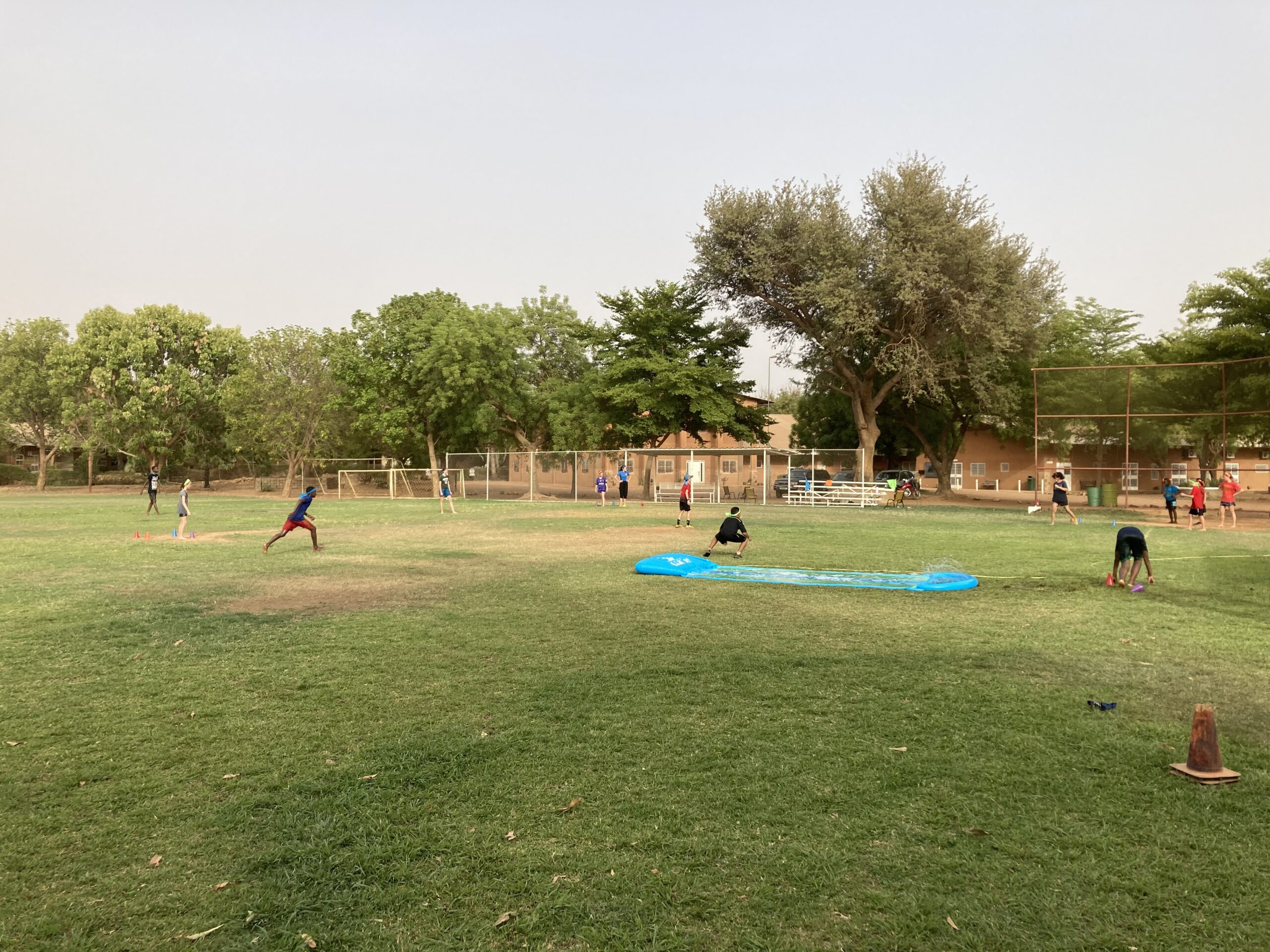
Like a kicked kickball, summer came and went.
Well, the school year ended and then started again, as school years are prone to do. I took a role of substitute, covering for teachers who were traveling. During the first few weeks, I substituted for sophomore history, sophomore French, all high school English, sophomore Bible, 7th grade math, and 4th-and-5th grade French. Things are truly dire when I’m asked to teach French. Eventually, everybody returned, and I recently placed a bow on all of my teaching responsibilities. I have also been teaching Sunday school at my local church every week for the past several months.
On my last day of teaching, one of the pint-sized 5th graders asked (with squeaky voice): “Mr. Wyckoff, are you going to be our teacher next Monday, too?”
I responded (with firm teacher tone): “No.”
The squeaky voice retorted quietly: “Oh good.”
The feeling’s mutual, you ill-mannered diminutive munchkin. (I didn’t say that out loud).
I’ve come to find joy when students don’t like me.
Did you know that there is a long and fervent debate in the linguistic world regarding whether the appropriate idiomatic phrase is “hold your peace” or “hold your piece“? It’s true. Google it. The opinions are legion and heated, with many related rabbit trail arguments. Peace seems to make the most sense, but apparently, both versions exist. Ambiguity arises because the word piece takes on the allegorical connotation of “an opinion.” To hold one’s peace and to hold one’s opinions may seem to be synonymous, but… oh no. Internet denizens are adamant that being at peace and remaining silent are two different things, because an individual can be silent while also being decidedly un-at-peace. Further, piece can be a noun or a verb. I suppose that peace can also be a noun or verb. So, the pieces of thought that float around in the human brain can cause one’s peace to go to pieces; then the thinker must pick up the pieces and piece the pieces of peace peacefully back together again, ala Humpty Dumpty. Which brings up a tangential but important question: Did Humpty accidentally fall, or did someone push him? I’ve always thought that someone pushed him (because that’s what someones do), but apparently the poem doesn’t specify. I’m glad we solved those problems; someone had to do it.
I am currently in Niger but am preparing to travel to France on September 18 and will be there until December 12. I will be staying in a suburb of Paris that is quite close to France’s second largest airport. I plan to study French as well as Zarma. I will also be peacefully piecing. I am considering visiting multiple missionary friends who live nearby, including friends who live a few countries away (inter-European flights from Paris can be very affordable).
Our church is studying the Gospel of Mark. Chapter 9 [NIV, 2011] contains an insightful story:
Jesus asked the boy’s father, “How long has he been like this?”
“From childhood,” he answered. “It has often thrown him into fire or water to kill him. But if
you can do anything, take pity on us and help us.”
“‘If you can’?” said Jesus. “Everything is possible for one who believes.”
Immediately the boy’s father exclaimed, “I do believe; help me overcome my unbelief!”
There is an interesting nuance in the setup to this moment. This is the story of the boy whom the disciples couldn’t help; but Peter, James, and John had been away with Jesus. Those three disciples probably felt “innocent” and very could have pridefully asserted that they would have made a difference. I wonder if this incident caused division within the disciples. From other stories, we know that James and John harbored desires of gaining special prestige and authority. In any case, the real meat of this encounter focuses on the dad. The boy’s father is symbolic of the everyday human. Jesus asks him a direct question, and the man speaks out of impossible circumstances. Given the heavily animistic context of northern Israel, it is entirely likely that this family had been engaged in spiritistic practices, what might be called voodoo today. The man is awash in tragedy that is the fruit of the sinful, fallen world in which he lives. He embodies the simultaneous contradiction of having no hope while hoping that Jesus can help. When pressed by Jesus, he blurts out what he knows Jesus wants to hear (“I do believe”), but then he immediately follows with an honest confession (“Help me overcome my unbelief”). Because humans live in a sinful world, belief walks arm in arm with unbelief. Christ will never turn away an open heart as Christians are holy while becoming holy.
Here are links to a few videos.
[Depending on your computer settings, in order to view the video without leaving the post, you may need to hold the ‘ctrl’ button while clicking on the link.]
https://drive.google.com/file/d/17DXV-vdSJEWFo_LedaS7kCujzWO1C3UL/view?usp=sharing
https://drive.google.com/file/d/1Xrwi3e4GBcs4VpKOd9jHekQ1dVoYQUNL/view?usp=sharing
https://drive.google.com/file/d/1n5lLKgfNASTPKlNWS-2TQL_bHgMoTutV/view?usp=sharing
Here some pictures. The top banner picture is of a middle school fun day from the end of last school year.

Students and faculty at Bible school graduation
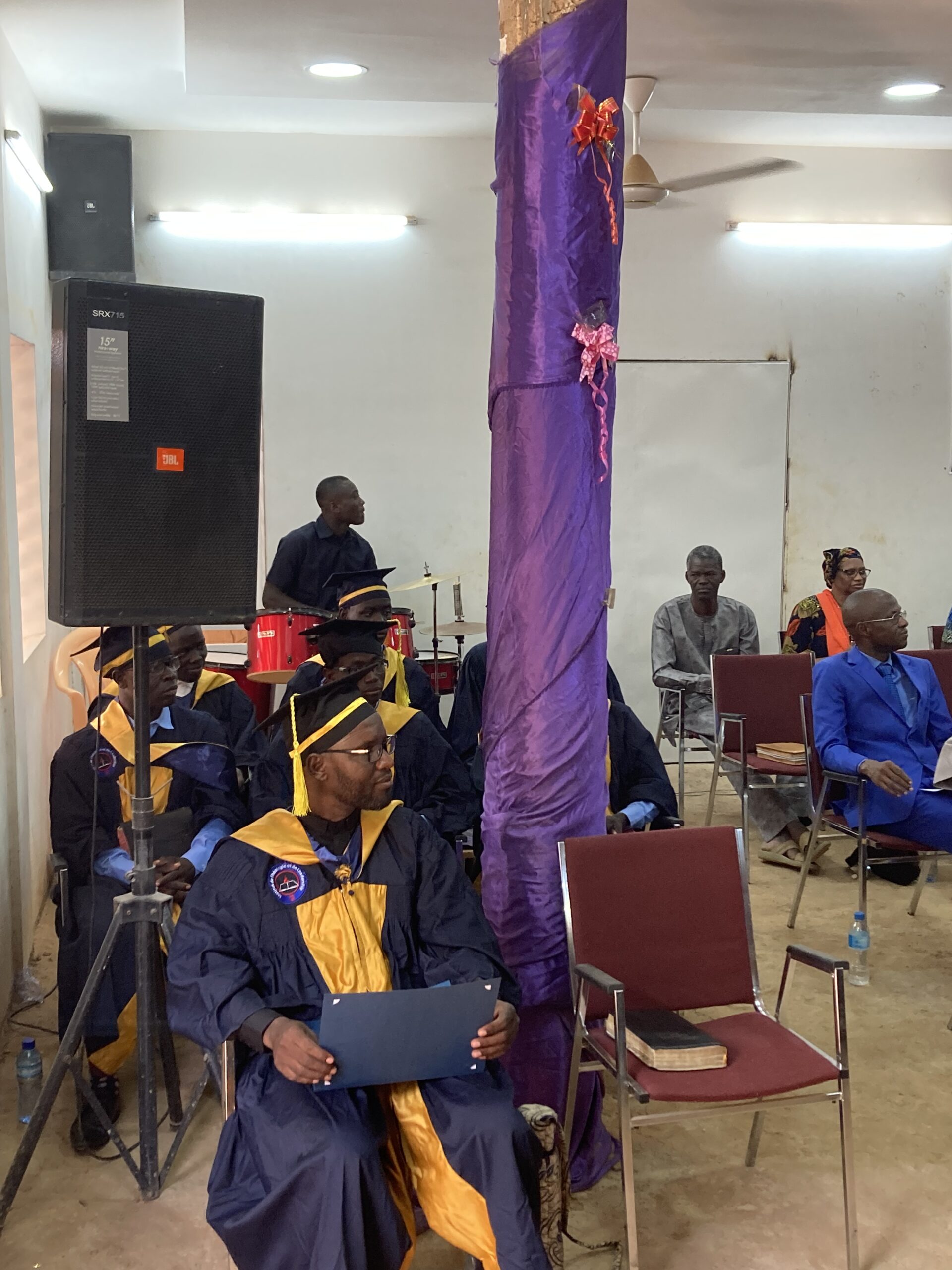
Bible school students at graduation
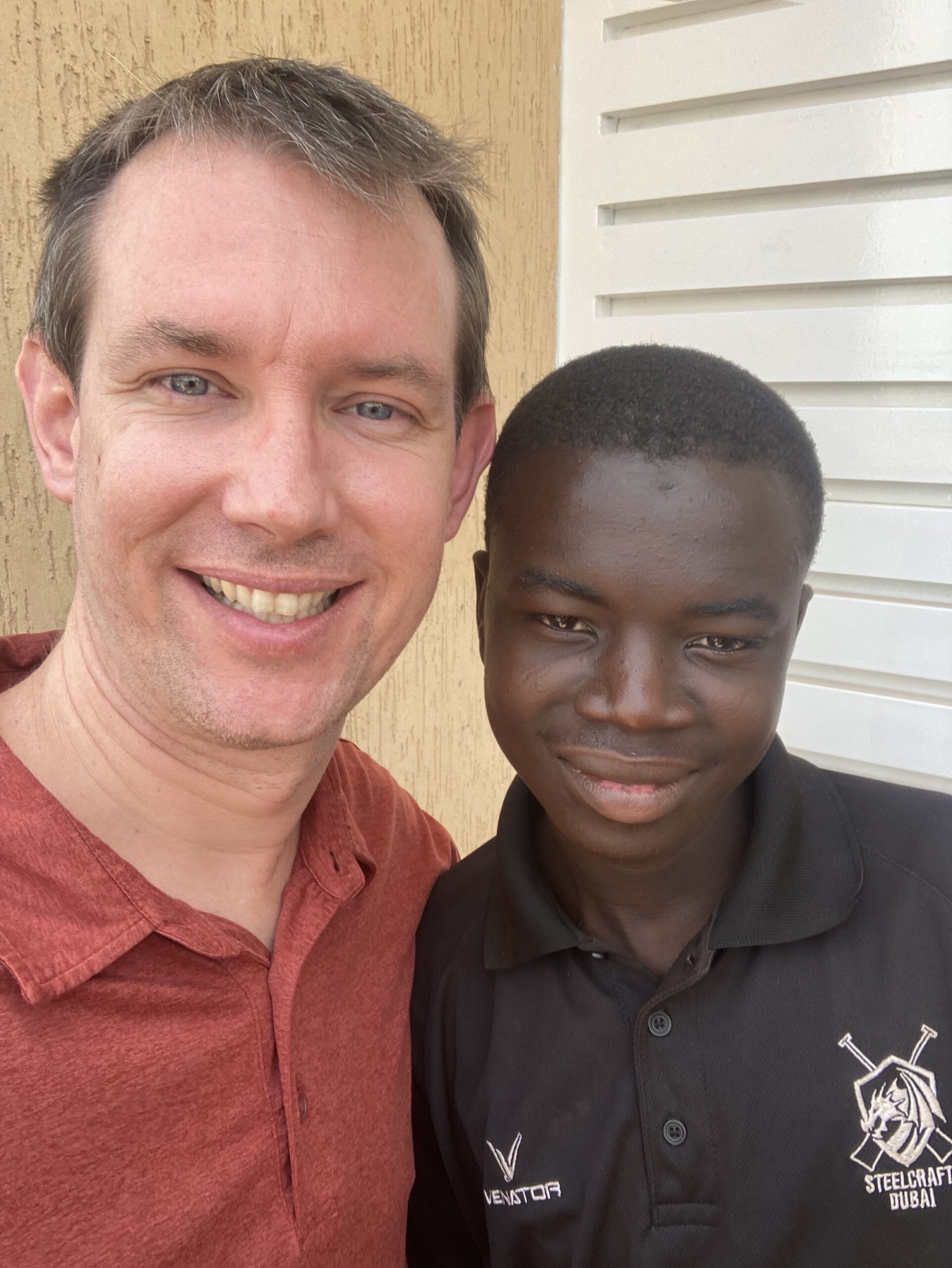
This young man greeted me. I did not recognize him. He was a resident at the orphanage that I visited frequently during my second term. He remembered the boxes of fruit that I brought.
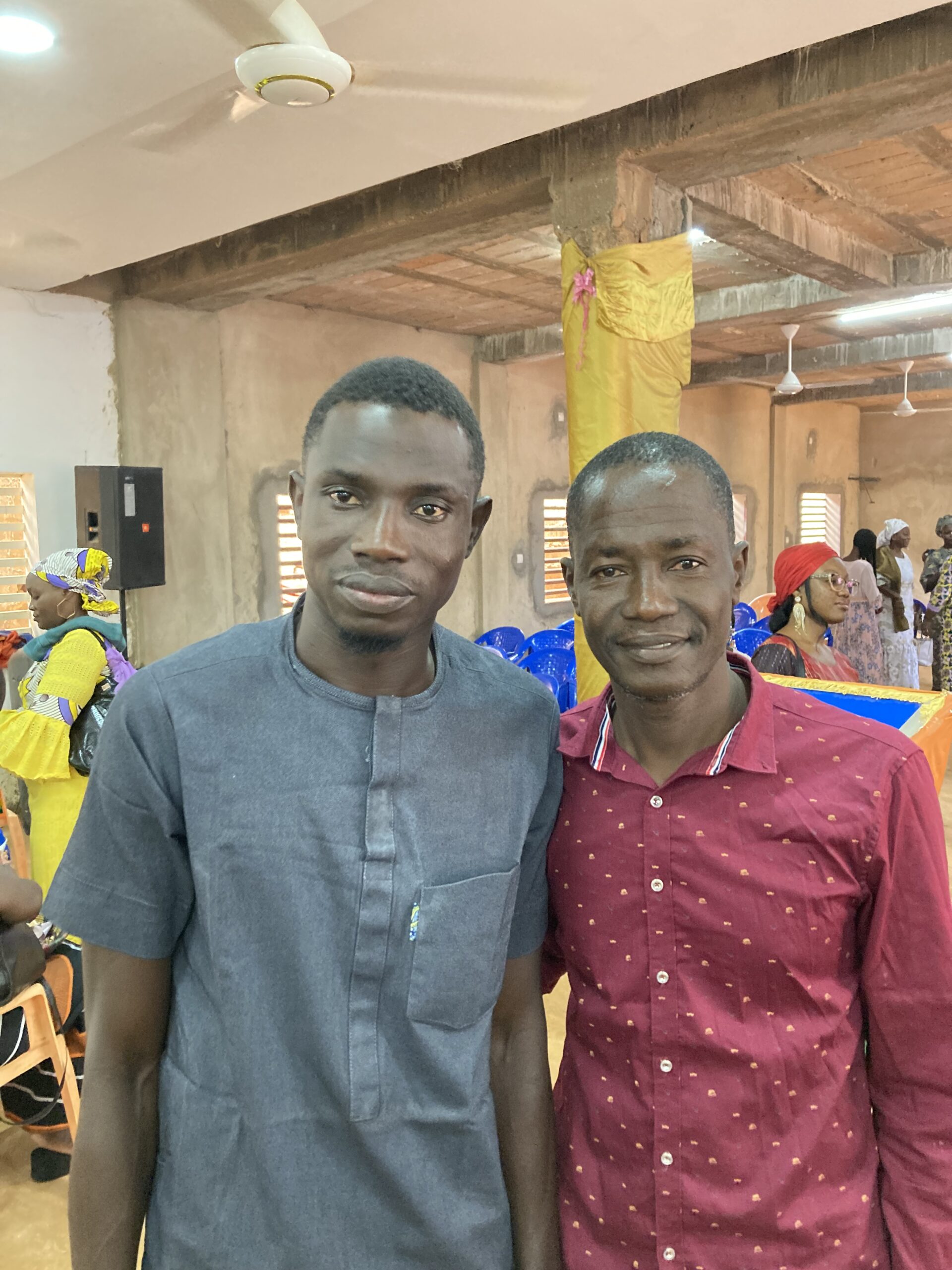
The man on the right is a Bible school student. He was in my evangelism class where we discussed patience in disciple-making. He had a problem with a thief. He chose to target the thief for patient evangelism. The former thief and current Christian is the man in blue.
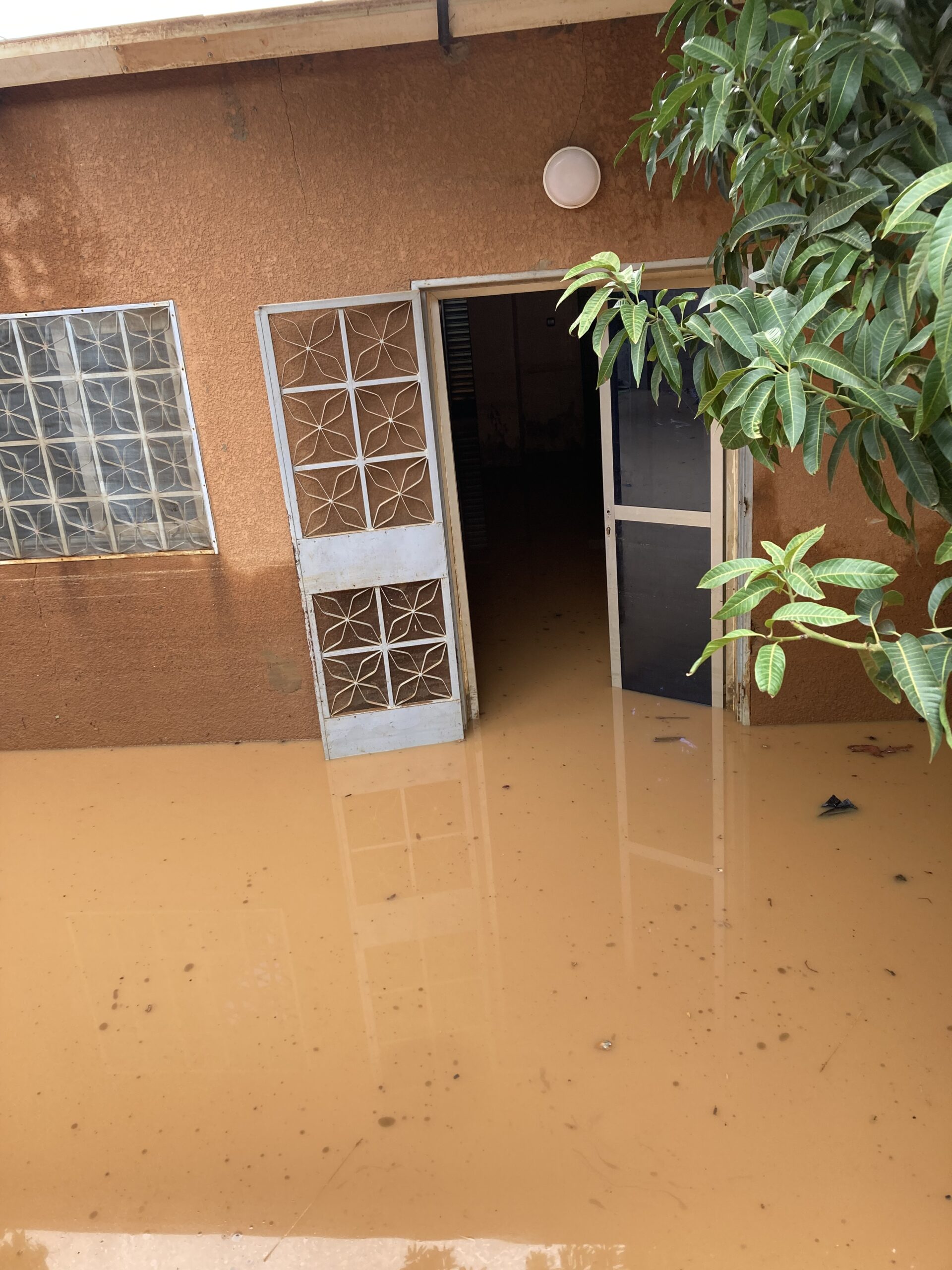
Recent rains flooded the house of my pastor.
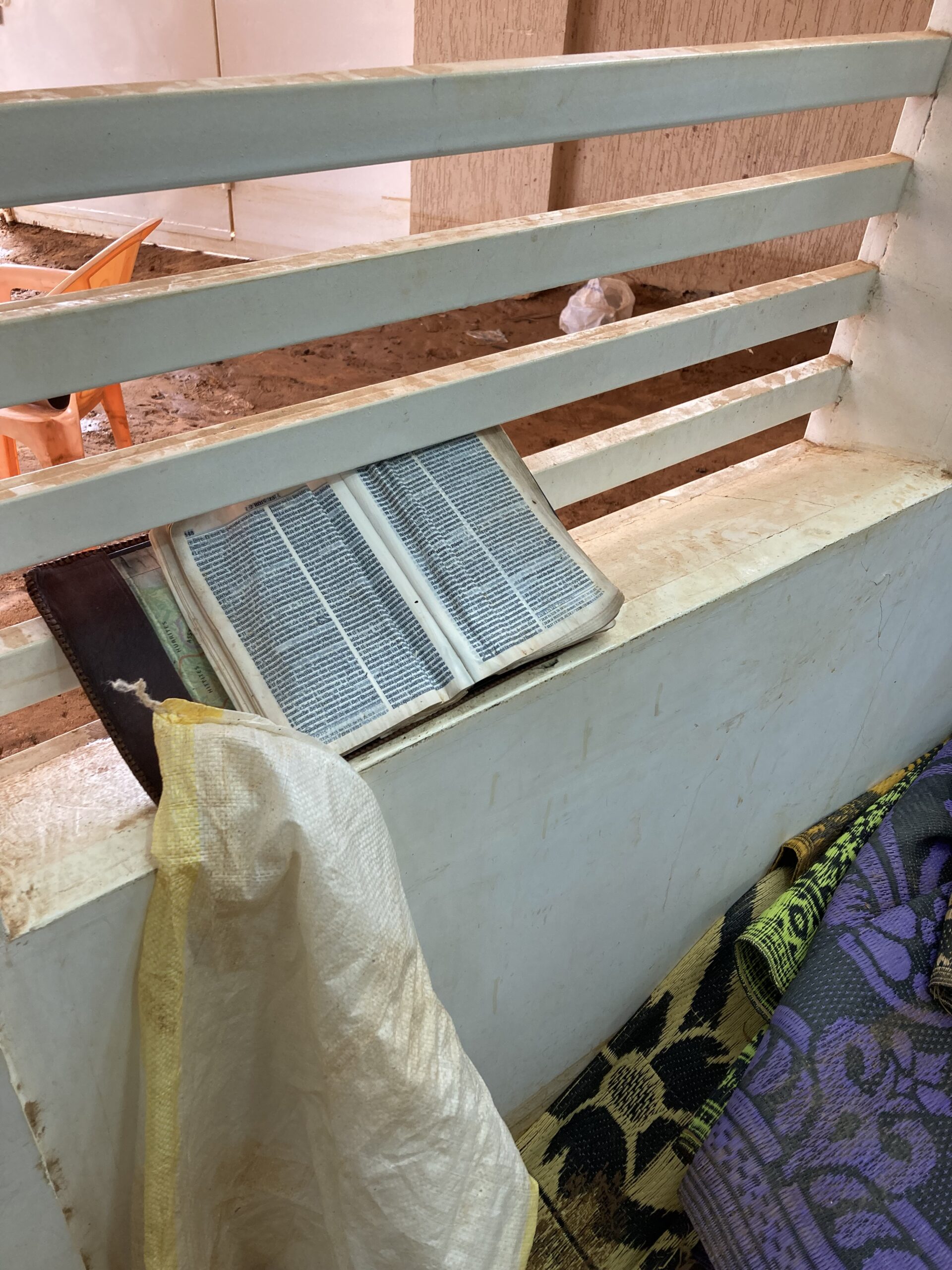
A water-damaged Bible
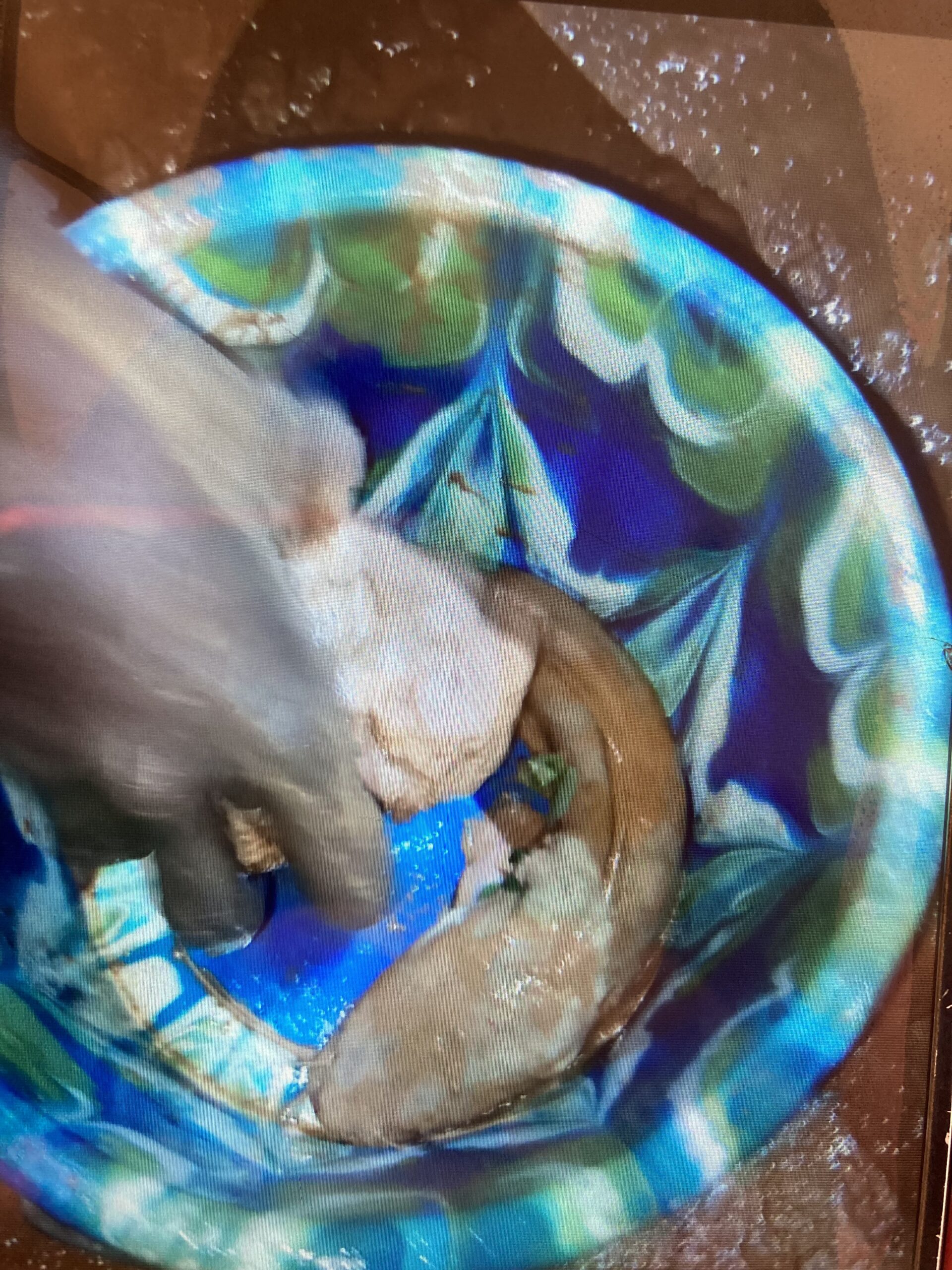
During the flood, this fish was caught from the doorway of our church, which is not particularly near the river.
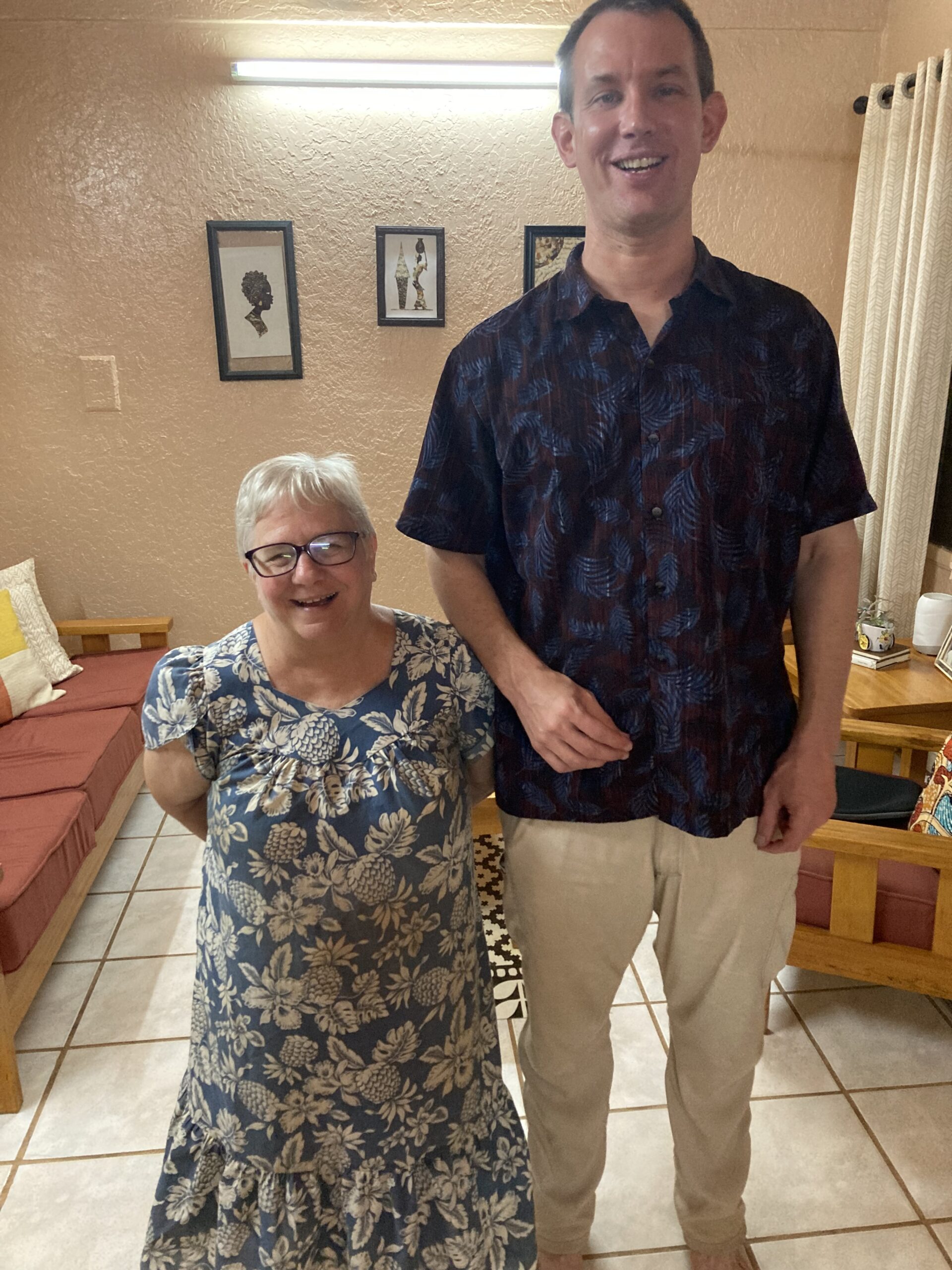
Nancy, my short friend, retired from missions after roughly thirty years in Africa.
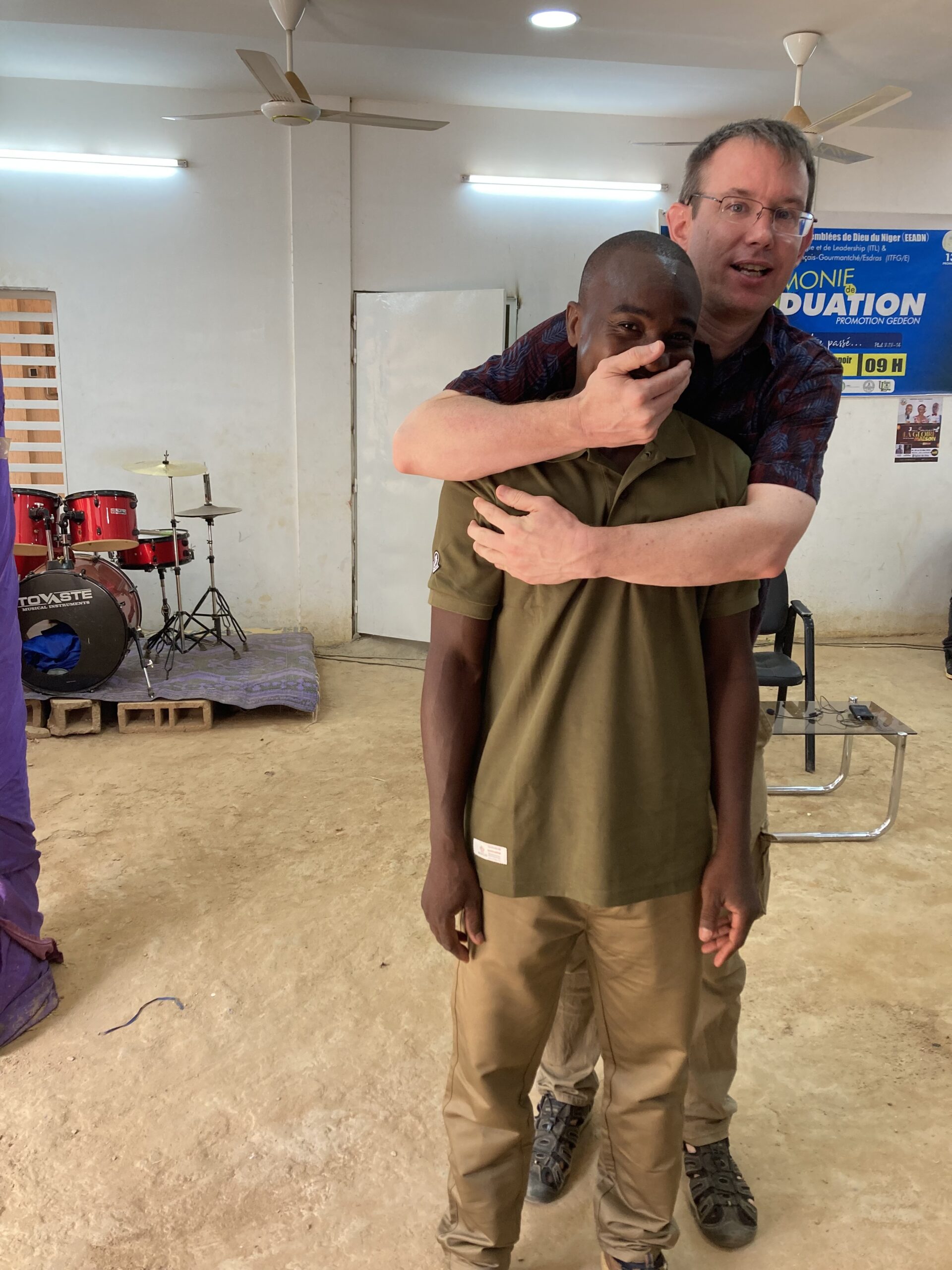
A sermon illustration of the weeds strangling the crops.
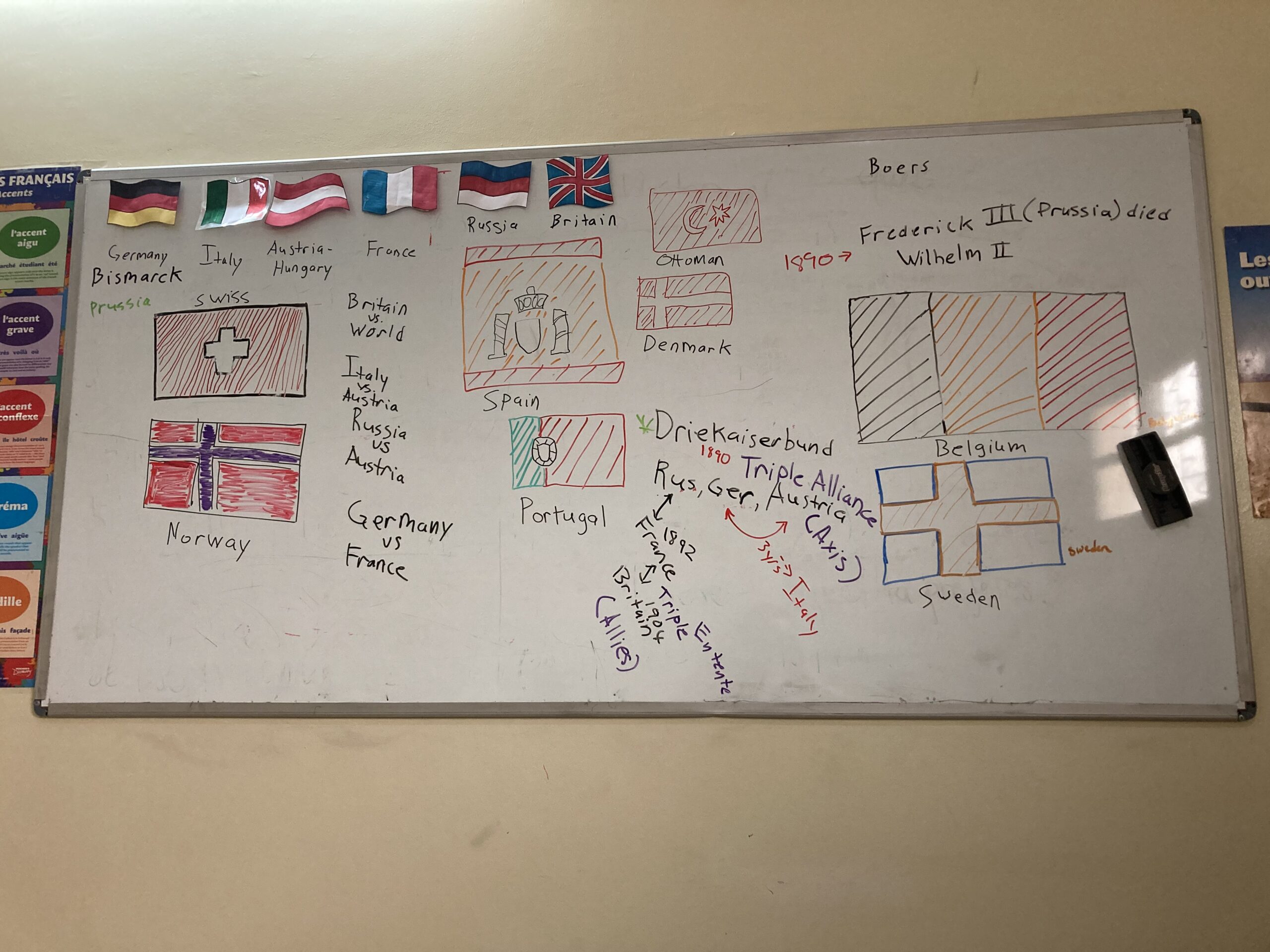
I substituted for sophomore twentieth century history. We started with the roots of World War 1.
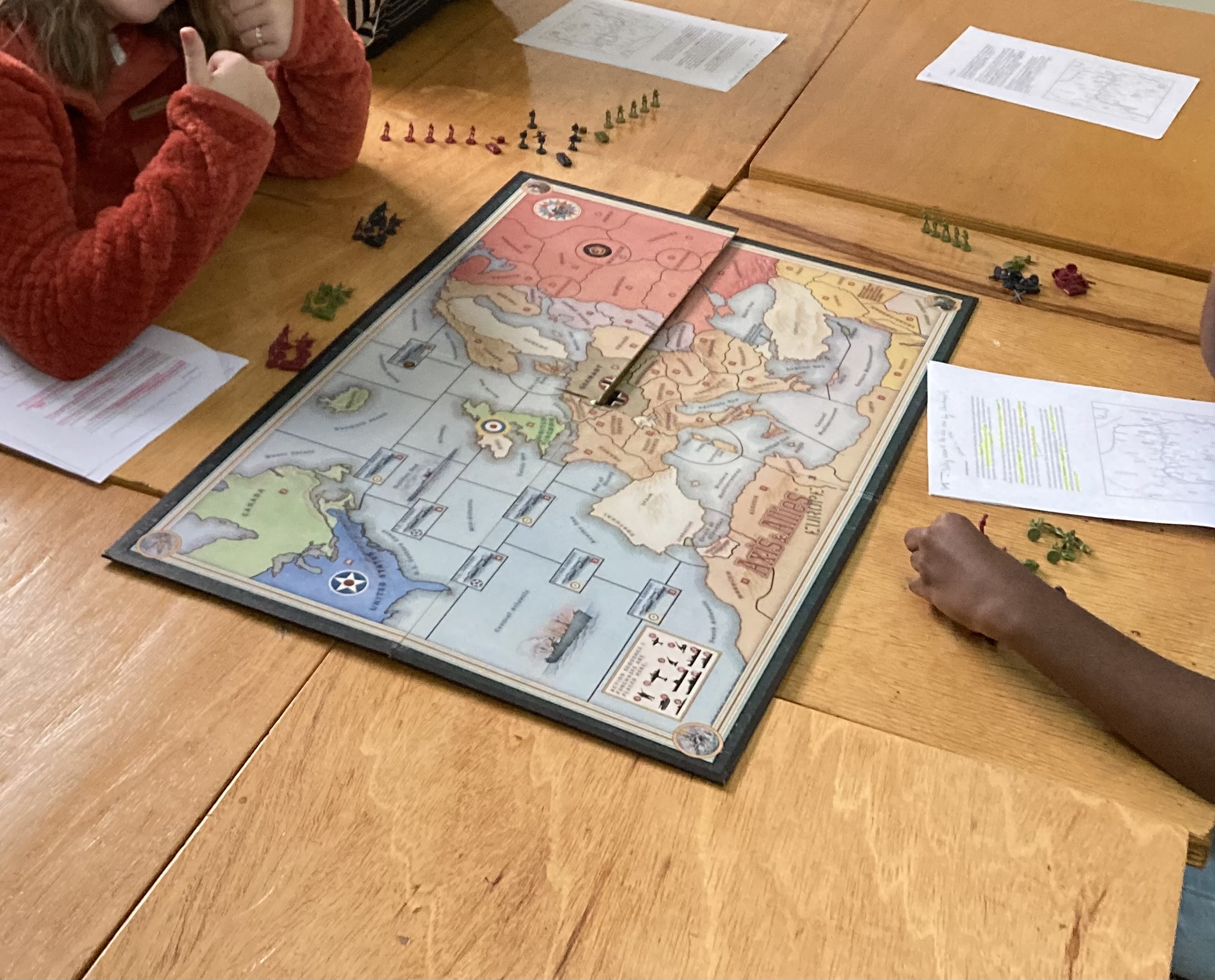
Replicating the opening of World War 1.
Recent Comments